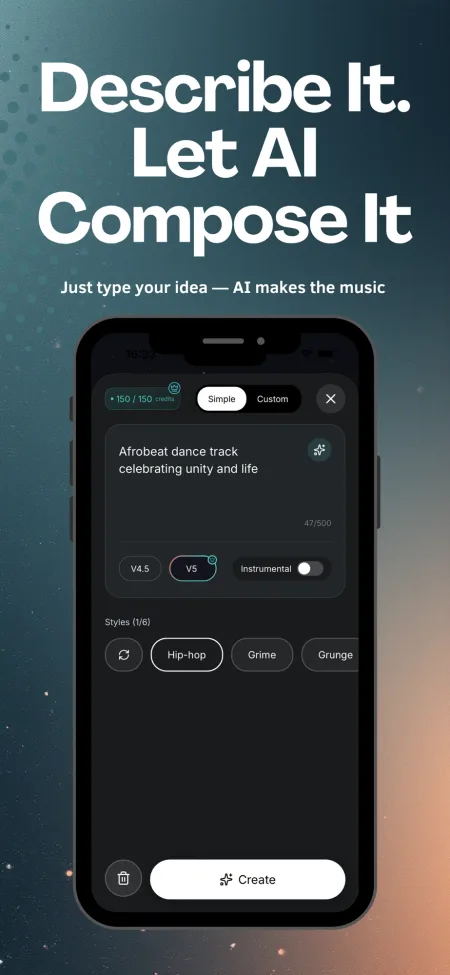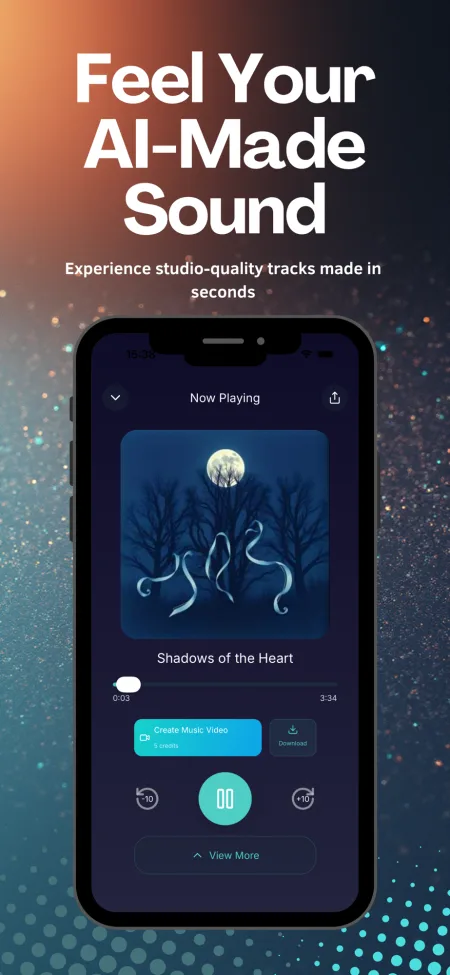
You made a track in a minute and now there is a video, a shop, a podcast or a client waiting for it. The question is whether you are allowed to use it for something that makes money. It is a good question with a boring answer: it depends on the tool, and the place to look is its terms, not copyright law.
The question you are not asking
"Can I use this commercially" and "does anyone own this" feel like the same question and are not. Ownership is about copyright, and US copyright law has a fairly clear position on AI output: without a human author there is nothing to own. Permission is about contract. The company that ran the model gave you something, on terms, and those terms are what decide whether the track can go in an ad.
The two answers can point in opposite directions without contradicting each other. A track can be uncopyrightable and still perfectly fine to sell things with. It can also be something you are contractually forbidden to use commercially even though no one owns it. Nothing about the first fact settles the second.
What a tool's terms actually have to say
When you open the terms page of any generator, four things decide whether you can proceed, and they are usually in four different paragraphs.
Whether commercial use is granted at all. Some tools grant output for personal use only, and treat commercial use as a separate, paid thing. Others grant both. This is the sentence to find first, and it is usually short.
Whether it is tied to a plan. A common shape is that commercial rights attach to a paid tier and stop if you cancel. Worth knowing before you build a catalogue on a free account.
Whether the grant is exclusive. It almost never is. You are being licensed something, not handed the only copy, and somebody else may hold a near-identical track. That has practical consequences on platforms that assume exclusivity.
What happens if something goes wrong. Most terms disclaim any guarantee that a generated track is unique or clear of third-party rights, and put the consequences on you. Read that paragraph even if you skip the rest.
Granted is not the same as owned
This distinction is worth holding onto, because the marketing language around these tools blurs it constantly. "The song is yours" almost always means you have been given broad permission to use it. It rarely means you have been assigned a copyright — partly because, in the US, there may not be one to assign.
The practical difference shows up the moment you try to stop someone else using your track. Permission lets you use something. It does not give you a right to exclude anyone.
The uniqueness problem nobody can solve for you
Ask two people to generate a lo-fi track about rain and you will get two different songs. Ask ten thousand and the space stops being that large. No tool can promise you that what you got is unlike everything else it has produced, and the honest ones say so in their disclaimers rather than in their marketing.
What this means in practice is simple: the more a track has to carry — a brand, a hook people are supposed to recognise, a release you will defend — the less comfortable a generated track is in that role, and the more of the work you should be doing yourself.
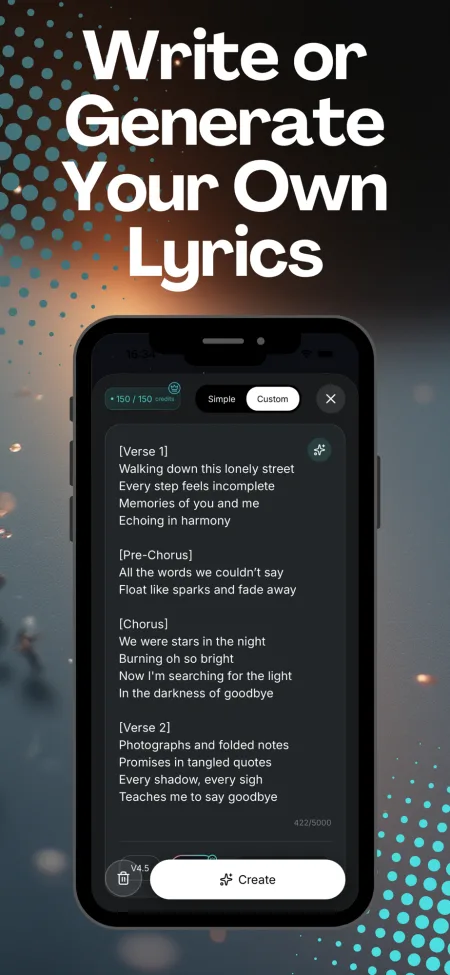
Platform rules are a third layer
Even with a clear commercial grant, the place you publish has its own rules, and they are not the same rules. Disclosure requirements, monetization policies and rights-management systems all operate on top of whatever the tool permitted — which is why putting AI music in a YouTube video has answers of its own that the terms page cannot give you.
What HyperMusic AI grants
Since this post is about reading terms, here are ours, in the same three parts. The HyperMusic Terms grant AI Creations to you "for personal and commercial use, subject to applicable copyright laws and third-party rights". They also state that we do not guarantee generated music will be unique or free from third-party rights, and that we are not responsible for takedowns, copyright claims or monetization restrictions on platforms such as YouTube and TikTok. That is the whole grant, including the parts that are not flattering.
The check that takes two minutes
Before a generated track goes into anything you are paid for: find the commercial-use sentence in the terms, check whether it depends on a plan you are still on, and read the disclaimer about uniqueness. If a tool makes those three things hard to find, that is itself the answer. It is a shorter job than re-recording a soundtrack after someone else has noticed.