Background music is the one part of a video that succeeds by not being noticed. It has to hold a room tone under speech, survive being ducked twenty decibels, and stop without anyone feeling it stop. Generated music is good at exactly this job, which is why it has spread through YouTube faster than it has spread anywhere else — and why the questions about it are less about the music than about the rules around it.
What a bed actually has to do
Four things, and they are easy to specify once you name them.
Stay out of the vocal range. Anything with a strong lead melody in the same register as a speaking voice will fight your narration for the whole video. This is the single most common reason a track that sounded great on its own ruins a cut.
Be dynamically flat. A song that builds is a song that will swell over your best line. Beds want a consistent energy, not an arc.
Have no words, or almost none. Two people talking at once is two people talking at once, whichever of them is singing.
Run longer than you need. Trimming is free. Looping a track that ends forty seconds early is not.
Describe a bed, not a song
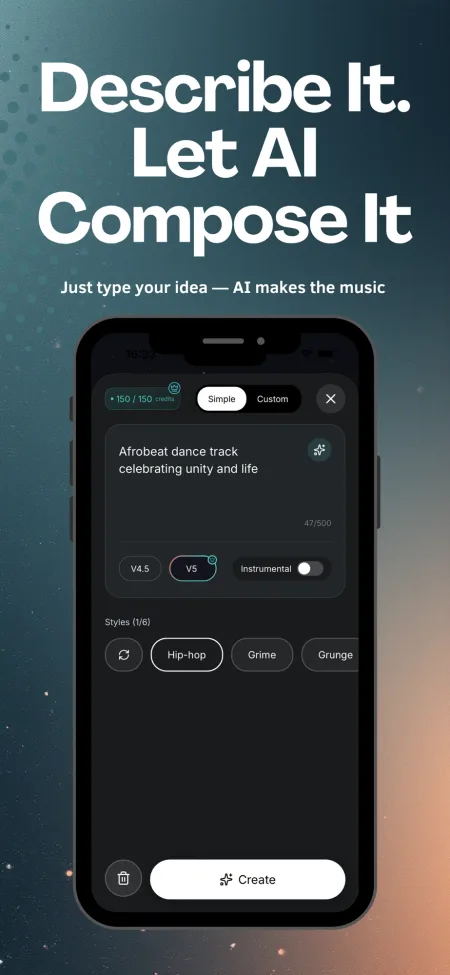
The instinct is to describe the music you like. The better instinct is to describe the room. "Warm lo-fi, brushed drums, no vocals, same intensity throughout, for a voiceover about cooking" produces something usable more often than any genre name on its own, because every clause in it is a constraint the model can actually act on.
YouTube asks you to disclose it
This is the rule most people find out about late. YouTube's disclosure policy requires creators "to disclose content that is generated or meaningfully altered with AI when it appears realistic", and "AI-generated music" sits in its own list of examples that creators need to disclose. You make the disclosure at upload, in the Altered content section of YouTube Studio.
The good news is in the same document, and it is worth stating plainly because the assumption runs the other way: disclosing "won't limit a video's audience or impact its eligibility to earn money". There is no penalty for saying so. There is one for not saying so — creators who consistently do not disclose "may be subject to manual application of a label, or penalties from YouTube, including removal of content or suspension from the YouTube Partner Program".
What the disclosure rule is not
It is not the monetization policy, and the two get merged constantly. YouTube's inauthentic-content policy is about videos that are mass-produced or templated with little variation between them. A video with your own script, your own footage and a generated backing track is not what that policy describes. Using AI for part of a video and making a video that is nothing but AI output are different situations, and only one of them is a monetization problem.
Content ID, and why you cannot claim your own track
People assume a generated track is unprotected territory where anyone can claim anything. The rules are narrower than that. Content ID requires that "copyright owners must have the exclusive rights to the material that's evaluated", and YouTube lists "music or video that was licensed, but without exclusivity" among the things that are not eligible.
Since generator licences are not exclusive, a track you generated is not something you can register in Content ID — and, by the same rule, not something another user of the same tool is entitled to register either. That does not make a mistaken claim impossible; it makes it a claim without a basis, which is the position you want to be in when you dispute one. Keep the date and the tool you made it with.
Making one, and what the terms allow
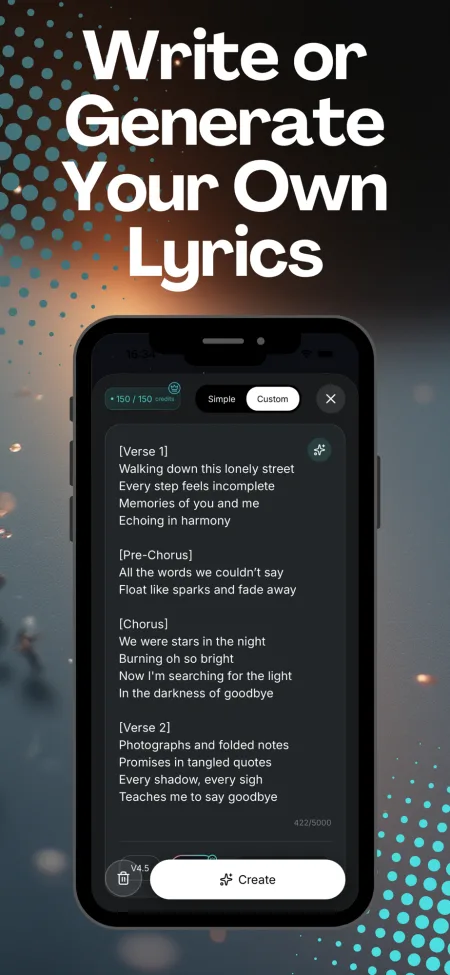
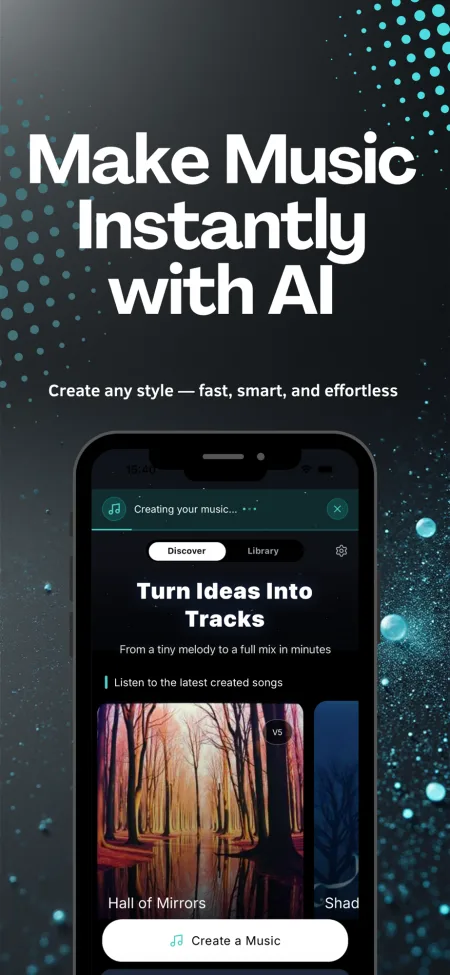
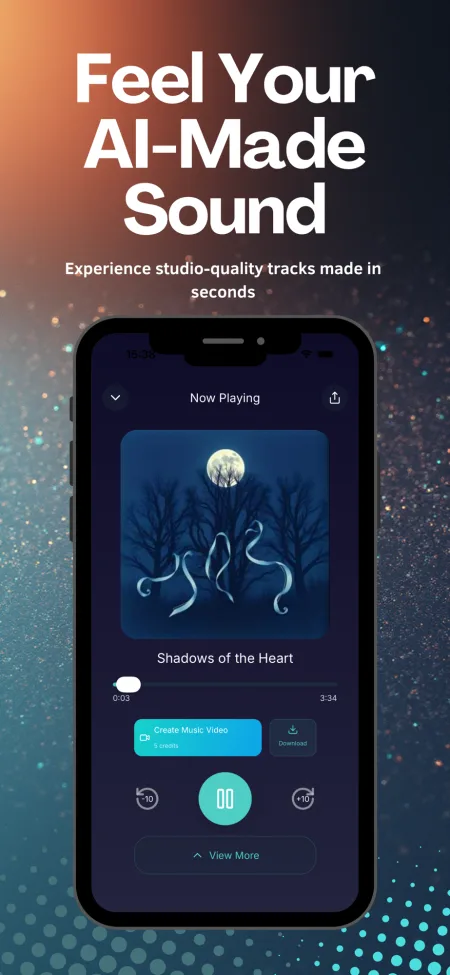
HyperMusic AI writes and produces a full track from a description, across 50+ genres, and can hold a vocal in 30+ languages when you do want words. For a bed, the useful part is the same part as everywhere else: the description, and the fact that trying four variations costs a minute rather than an afternoon. The one-sentence guide covers the steps, and the orientation piece covers which job you are doing.
On rights, the HyperMusic Terms grant AI Creations to you for personal and commercial use, subject to copyright law and third-party rights, and state that we are not responsible for takedowns, copyright claims or monetization restrictions on platforms such as YouTube and TikTok. The platform's rules are the platform's, and no tool's terms can promise you otherwise — what a commercial grant does and does not cover is worth reading before a track goes into something you are paid for.
The two minutes that save the upload
Tick the disclosure box. Keep the track long. Keep a note of what you generated and when. None of it is difficult, and all of it is easier before the video is live than after a claim has arrived on it.